Veterinary nurse job description

Where we source our data
Let's get real. Job information online can often be overly optimistic — conveniently glossing over the raw bits. But when you're making decisions about your future, you need all the facts.
That's why we anonymously surveyed veterinary nurses about their job, with hopes of getting an honest insight into what it's really like.
While we did our best to ensure respondents were Australians and verified their job titles with proof of employment, we can't guarantee complete accuracy — or that your experiences in the field will reflect theirs. So, we suggest that you take these insights as a guide only and try to talk to people in the field before making an important decision.
Tasks and responsibilities for a veterinary nurse
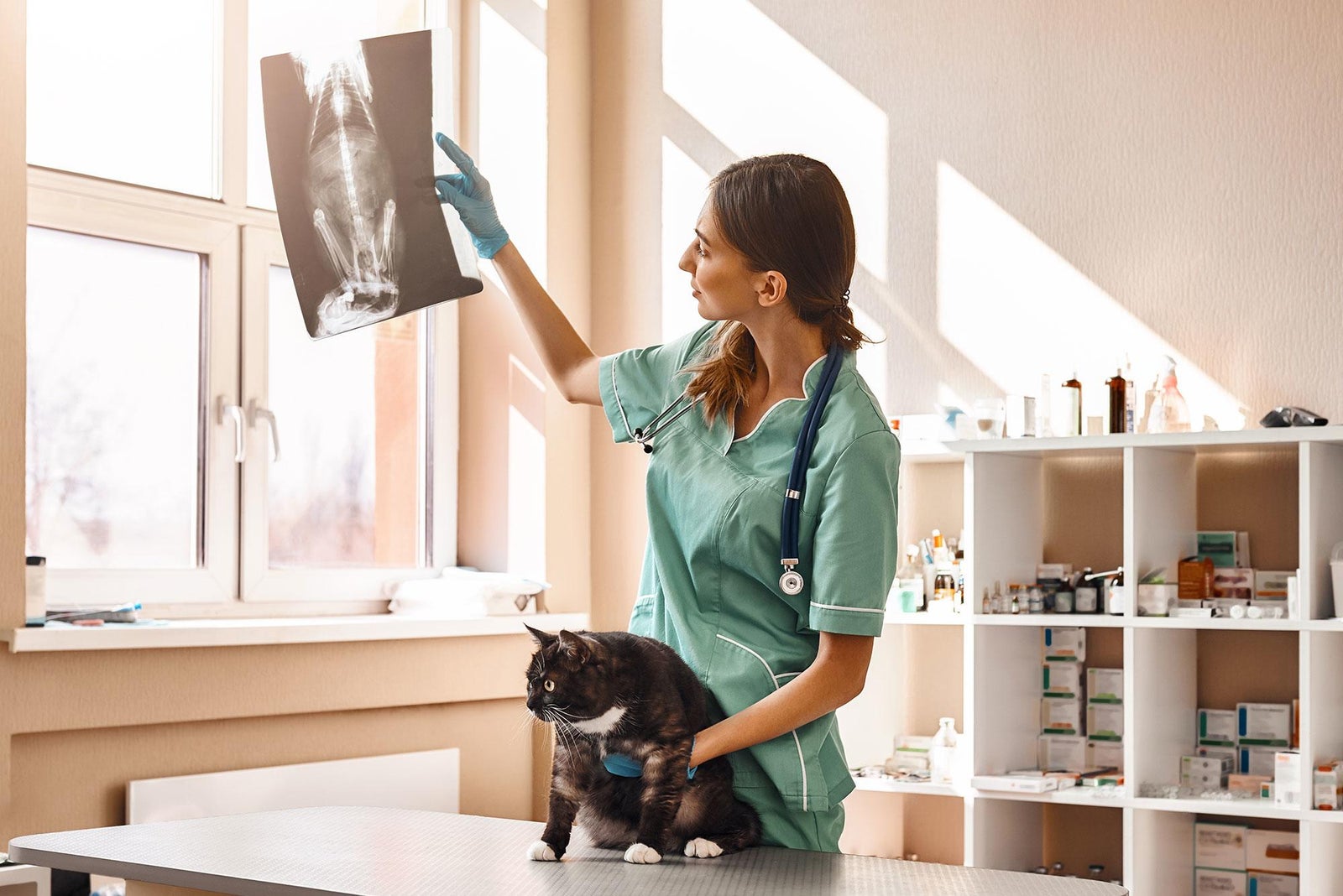
A day in the life of a veterinary nurse can be action-packed and involves working well with both animals and people.
So, what does a vet nurse do day-to-day?
- Triage: performing initial assessments of animals before they see the vet and determine the seriousness of the animal’s needs
- Cleaning and sterilising clinic equipment and work areas
- Preparing consulting rooms before each patient
- Comforting and care for anxious or upset owners
- Monitoring an animal's vital signs while in your care
- Performing minor medical procedures
- Prepare for and assist with surgeries and euthanasia if necessary
- Handling the discharge of the animals and communicate follow-up care instructions with owners
- Feeding, caring for and medicating animals staying at the clinic or veterinary hospital
- Managing stock levels of food, medicines, equipment and accessories for the clinic
- Providing thoughtful and sensitive customer service
- Managing reception tasks, record keeping and administration
How to become a veterinary nurse
-
Study through a registered training organisation:
All vet nurses must have completed a Certificate IV in Veterinary Nursing. Entry requirements for this course vary between providers, but most require you to have completed a Certificate II in Animal Studies or have some equivalent vocational training. To specialise as a vet nurse or open up potential career opportunities in supporting specialist veterinarians, you can complete a Diploma in Veterinary Nursing.
-
Volunteer or work as an intern:
Many vet nurses may begin their career journey working as animal attendants, volunteering at vet clinics or starting an internship. Once you have shown an ability and competence in the industry, you may have an opportunity to train in other areas of animal care, including basic veterinary nursing tasks under the supervision of senior employees. From here, you can complete the required qualifications with the benefit of prior work experience.
Pathway options
A vet nurse career could be just the beginning of your life in animal care.
From climbing up the ladder in a veterinary clinic to specialising in specific animal health areas, there are plenty of other roles and career paths at your fingertips.
Some pathways could be:
Junior
Mid
-
Dental veterinary nurse
Most common qualification: Diploma of Veterinary Nursing (Dental) (ACM50312)
-
Emergency care veterinary nurse
Most common qualification: Diploma of Veterinary Nursing
(ACM50219) -
Equine veterinary nurse
Most common qualification: Certificate IV in Veterinary Nursing (ACM40418)
Senior
-
Senior veterinary nurse
Most common qualification: Diploma of Veterinary Nursing (ACM50219)
-
Veterinary practice manager
Most common qualification: Diploma of Practice Management (HLT57715)
Explore related qualifications
Zoology Certificate
These short courses (typically 8–20 weeks) is designed for animal lovers, aspiring zookeepers, or those interested in wildlife conservation.
It covers the basics of animal biology, behaviour, and care, and is ideal for anyone looking to start a career in animal care or explore a personal interest in zoology. Most courses are flexible and can be studied online.
2 providers offer this course















Reviews
How we collect reviews
Reviews are from Australian workers with this job title or a very closely related one.
Is this your job title?
Share your thoughts and help people decide if this job is right for them.
- All
- Positive
- Negative
Making a positive impact on pets and their owners' lives, knowing that I've contributed to their joy.
What are the best parts of the job?
Helping the patients who are extremely unwell and seeing their progress through out their stay. The best part of all is the reunion with their owners and to see the difference that we have made for that patient's life and their family
What's the most challenging part?
Teamwork and attitudes of others. It is an extremely rewarding but challenging workplace and just one person's attitude can dictate the whole day. Try and stay positive and leave your frustrations at the door.
Fulfilling role where new skills are always learnt.
What are the best parts of the job?
Caring for animals, being able to see pretty immediate outcomes based on your work. Getting through high pressure/high stress situations such as surgery or emergencies is very fulfilling. Room for learning and new skills all the time. No two days are the same.
What's the most challenging part?
Poor pay and lack of career advancement. Long hours. Poor work/life balance.
Rewarding but can be challenging at times
What are the best parts of the job?
The rewarding moments when you are able to watch patients recover and be pain free.
What's the most challenging part?
Being understaffed and having a large work load. You also need to be able to control your emotions or detach yourself from certain cases where unfortunately there isn’t anything else you can do to save the patient or make them more comfortable.
