Should I Become a Counsellor or a Psychologist?


Are you a people-person, wishing you had a job that speaks to who you really are?
If that’s the case, your desk job probably isn’t cutting it. If you want to give back to your community, why not try working as a counsellor or a psychologist? A career in mental health care will truly help you to help others, making your daily routine all the more meaningful.
Working as a mental health professional is the perfect opportunity to give back to your community, and your community really needs you:
Is counselling the same as being a psychologist?
No, counselling and psychology are not the same, but they overlap in many areas.
Counsellors focus on short-term support, helping individuals navigate emotional and behavioural challenges, relationship problems, mental health issues, and personal development. Counselling is generally a short-term approach focusing on practical issues.
Psychologists are trained in scientific methods, conducting assessments and treating mental illness by addressing the root cause through evidence-based therapies such as cognitive behavioural therapy and mental health treatment plans. Counselling is typically more short-term than the therapy provided by psychologists
While both provide mental health support, a psychologist’s scope of practice includes more complex psychological disorders than a counsellor’s. Counsellors generally do not diagnose mental health disorders and focus instead on therapeutic support.

How to become a counsellor
Learn about the role and responsibilities of a counsellor, and read career reviews from professionals currently in the field.
What are the key differences between a psychologist and a counsellor?

Types of psychologists
Psychologists can specialise in different areas of mental health and behaviour. Common types of psychologists include:
Clinical psychologists
Diagnose and treat serious mental health conditions such as anxiety, depression, schizophrenia, and complex mental health issues like bipolar disorder and post-traumatic stress disorder (PTSD).
Counselling psychologists
Help individuals navigate life challenges, relationships, and personal growth.
Organisational psychologists
Work in corporate settings, improving workplace performance and employee well-being.
Forensic psychologists
Specialise in criminal behaviour, working with law enforcement and legal professionals.
Educational & developmental psychologists
Focus on learning difficulties, child development, and school-based interventions.
What is the difference between a clinical psychologist and a counsellor?
A clinical psychologist is a registered psychologist who specialises in diagnosing and treating severe mental illnesses such as:
- Depression
- Anxiety disorders
- PTSD
- Schizophrenia
In contrast, counsellors help people with everyday mental health issues, relationship challenges, and stress management. Counselling services can include one-on-one or group sessions, focusing on guidance through discussion.
Do you need a degree to be a clinical psychologist?
Yes. Psychologists typically require at least six years of university study and supervised experience. Here’s what you need to become a registered psychologist:
✔️ A Bachelor’s Degree in Psychology
✔️ A Master’s or Doctorate in Clinical Psychology
✔️ Registration with the Australian Health Practitioner Regulation Agency (AHPRA) as a registered psychologist. Psychologists must register with the Psychology Board of Australia to practice legally.
Counsellors, however, can enter the field with a Diploma of Counselling.
Counselling psychologists, on the other hand, typically require advanced degrees such as a Master’s or Doctorate in Counseling or Psychology and have distinct professional responsibilities compared to other mental health professionals.
Counsellor vs psychologist salary in Australia
A key difference between these careers is earning potential.
What is the average salary for a counsellor in Australia?
The average counsellor salary in Australia is approximately $95,000 per year, with entry-level positions starting at $65,000.
What is the average salary for a psychologist in Australia?
Psychologists in Australia typically earn more than counsellors.
- The average salary for a psychologist in Australia is $100,000 per year.
- Clinical psychologists and those with postgraduate qualifications earn upwards of $120,000 annually.
- The average salary for a psychologist in Australia typically ranges from $100,000 to $115,000 per year.
Counsellor vs psychologist: Job difference for mental health practitioners in Australia
Both careers offer rewarding mental health roles, but choosing between them depends on your interests, education preferences, and career goals, particularly in understanding and addressing human behaviour.
Career |
Counsellor |
Psychologist |
|---|---|---|
Job focus |
General mental health support |
Diagnosis & treatment of psychological disorders |
Client cases |
Every day stress, relationships, grief, and career guidance |
Mental health disorders, trauma, and addiction |
Workplace |
Schools, community centres, and private practice |
Hospitals, mental health clinics, academia |
Salary range |
$65,000 – $90,000+ |
$85,000 – $120,000+ |
Which career path is right for you?
Choosing between a career in counselling or psychology can be a pivotal decision, impacting your professional journey and how you contribute to the mental health sector. Both paths offer unique opportunities to make a meaningful difference in clients’ lives, but they cater to different interests and strengths.

Further study options for counsellors and psychologists
If you start as a counsellor but want to become a registered psychologist, you may need to pursue further study in psychology to meet accreditation requirements. Mental health practitioners, including counsellors and psychologists, play a crucial role in providing support through diverse specialities in psychology and counselling.
- Counsellors can upskill by studying a Bachelor of Psychology, followed by a Master’s degree.
- Psychologists can specialise further by completing postgraduate training in clinical psychology, organisational psychology, or neuropsychology.
Both pathways offer opportunities for career growth and specialisation in the mental health sector.
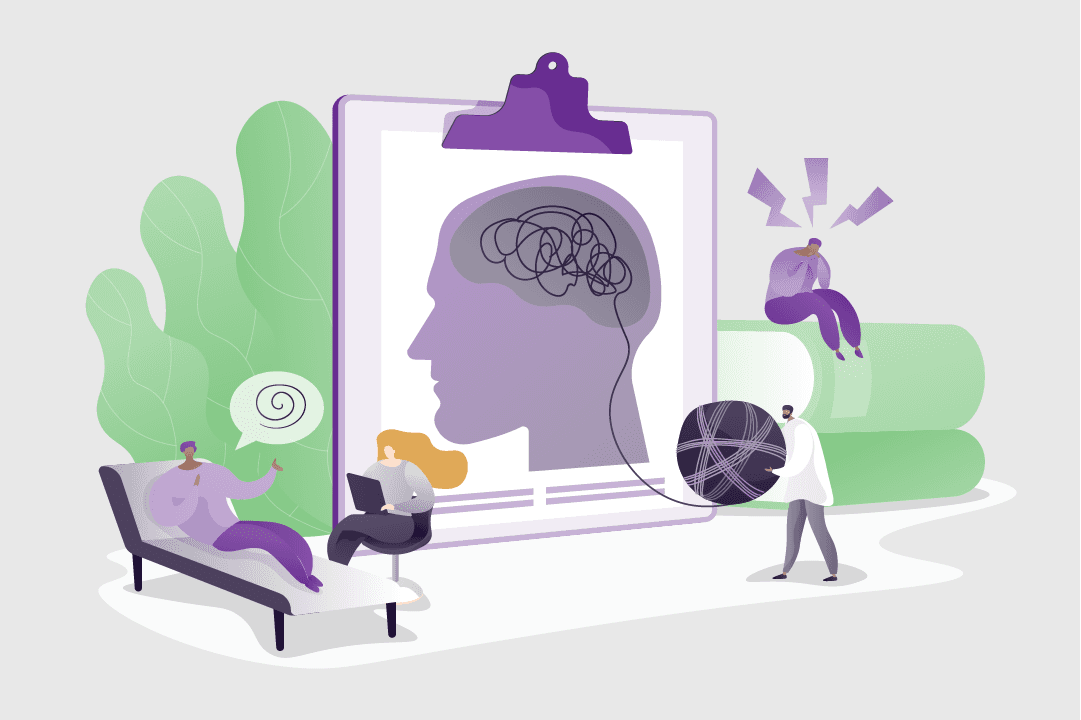
Feeling unsure? We’ve got you
Starting something new can be overwhelming, but it doesn’t have to be. If you’re considering counselling, we’ve laid out all the key information in one place.
Counsellor vs psychologist – Which career is best?
The main difference between a psychologist and a counsellor comes down to education, job scope, and salary expectations.
✔️ If you want to help people with everyday struggles, counselling is a great fit.
✔️ If you want to diagnose and treat mental health disorders, psychology is the right path.
Both careers offer rewarding opportunities in Australia’s mental health sector, making a real impact on people’s lives.
Browse Results











Latest Articles

Want to read more?
Considering becoming a child care worker? Find out how this important job can lead to a fulfilling, stable and flexible career that makes a difference.


Being cooped up in the office all day long isn’t for everyone. These jobs can provide you with a breath of fresh air while you work.

