The Importance of Sports Coaches

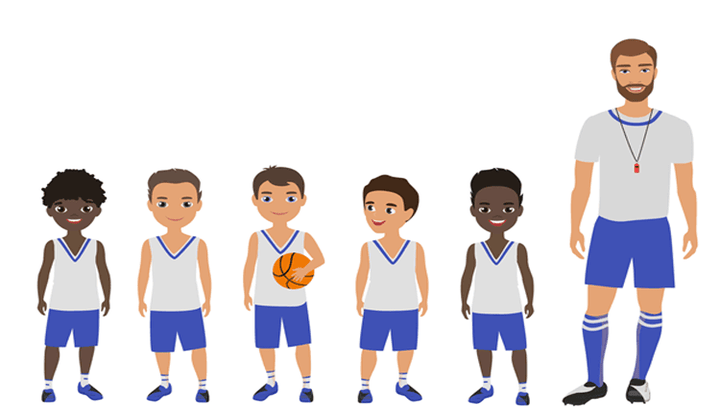
What do you think of when you hear the term ‘sports coach’?
Do you imagine an American football coach, yelling from the sidelines at their team?
Perhaps you think of someone on the track with a stopwatch, timing an elite sprinter during a training session.
While the above scenarios ring may ring true for many of us, they’re not the only reflection of professional coaching, or of the multiple roles that sports coaches often assume.
What is a sports coach?
Sports coaches guide people to achieve their full potential within a range of areas. They can work with professional or elite athletes, either as individuals or as part of a team. Sports coaches can also work with community teams and school groups, with young and even everyday people also able to benefit from regularly utilising a sports coach. Meet a sports coach here.
SPORTS COACH
AVERAGE SALARY
Job Outlook
Sports coaches are always needed, from junior to senior level. Job outlook is projecting strong growth in the next five years
Qualifications
Qualifications for sports coaches vary, with many choosing to do a Certificate IV in Fitness, Diploma of Sports Development or even the Bachelor of Sports Coaching
Gender Employment Share
Full Time Worker Share
Critical roles of a sports coach
It is true that one of the key reasons behind utilising a sports coach is to improve sporting performance. However, sports coaches bring so much more to the role than just achieving results on a scoreboard.
According to the Australian Sports Commission, a sports coach needs to be – among other things – a mentor, teacher, psychologist, physiologist, and confidante. They also need to bring skills such as diplomacy, negotiation, facilitation, organisation, problem-solving, and motivation.
So how does all this translate into day-to-day coaching? Well here are just some of the roles that sports coaches are asked to play:
Assessor and Advisor
Coaches need to be able to assess an athlete’s performance and advise on which areas need to be improved. The advice given by a sports coach may also cover training recovery, working with injuries, nutrition, and developing a positive mental attitude.
Role Model
Coaches must understand that their athletes look up to them, so it is important that they ‘practice what they preach’, have integrity and behave in a way that is respectful to their sport and those around them.
Mentor
Many sports coaches will also find themselves working as guides. The role of a mentor is to guide a less experienced person by building trust and modelling positive behaviour. While coaches need to look after their athletes’ health (physical and mental) and their safety, they will also need to get ‘tough’ with their mentee from time to time.
Cheerleader
One of the most enjoyable aspects of coaching is celebrating success. Whether it be winning a medal, a final, or simply celebrating a new personal best, it’s important for the coach to celebrate alongside their star athletes.
An opportunity to make a difference
Good coaches are not only called upon to improve their athlete’s performance but to also encourage positive thinking, teamwork, resilience, a good work ethic, and respect and love for the game. As such, sports coaches play an integral part in human development, and the influence a good coach can have on their athlete’s life can go way beyond the sporting field.
Don’t think you’re cut out to be a coach but still have a great passion for sports? Perhaps a career in Sports Journalism is in your sights.
Browse Results










Latest Articles


Want to read more?

Thinking of getting started in the caring career of aged care? Learn about the various duties and responsibilities these workers take on each day.

Interested in sports journalism? Other than a love of sport you’ll need excellent writing skills, an ability to create great stories & likely, a degree.
